REmemory
Open the interactive REmemory prototype ↗
Speculative Care Product / AI & Memory
REmemory
Memory loss does not live in one mind. It lives in the whole family.
2025 · Case study 2026
In brief
- The question
- How might families revisit and narrate memory together without presenting reconstruction as factual truth?
- Creative decision
- Make remembering a shared family interaction: photographs invite stories, while reconstructions remain clearly labelled interpretations.
Explore the UX/UI prototype.
The interface lets you explore the proposed family experience. AI reconstruction is a concept, not a built feature.
Open the interactive REmemory prototype ↗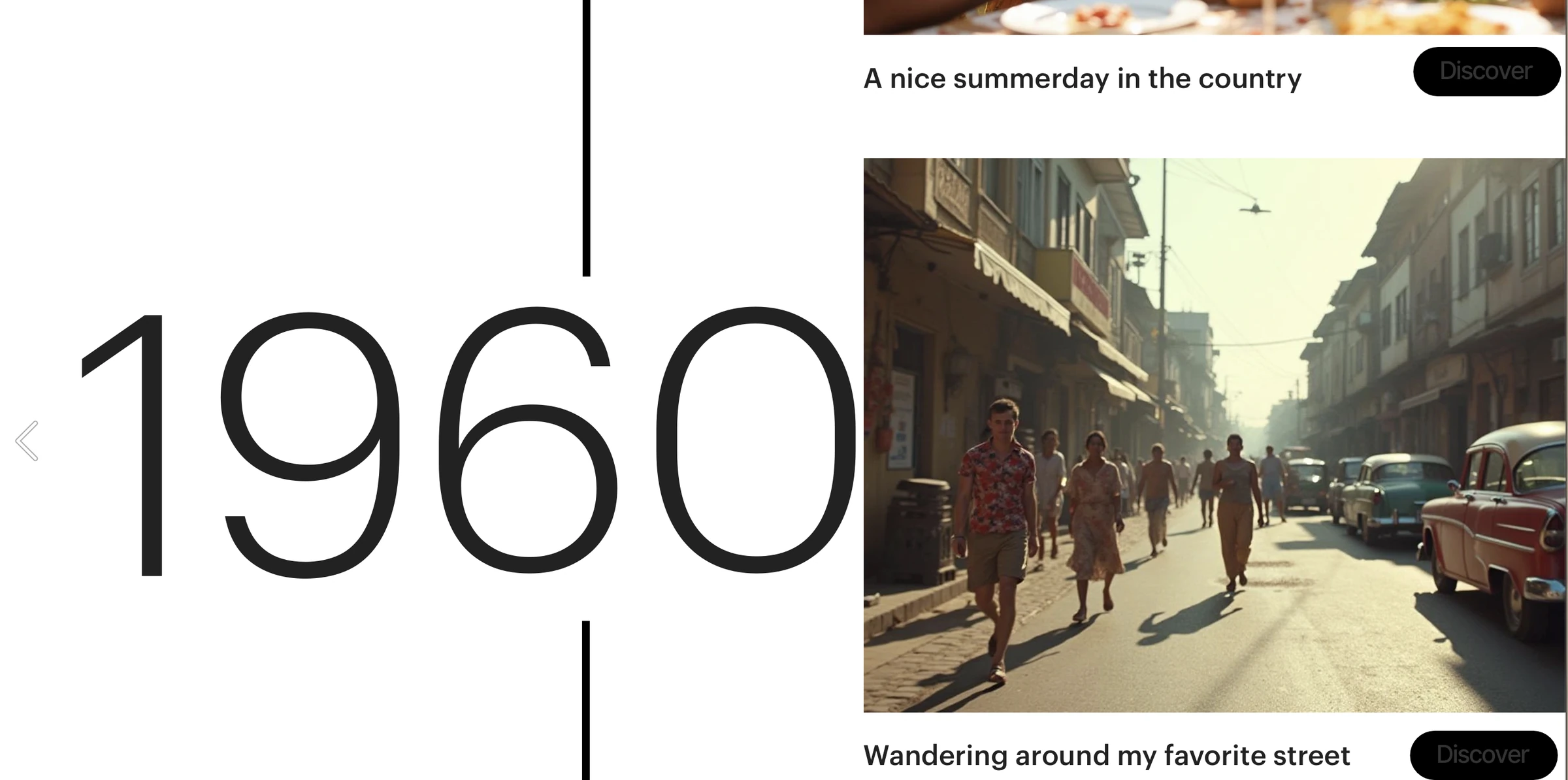
Project facts
- My contribution
- Creative lead · Concept direction · Narrative interface
- Delivered
- Interactive UX prototype and narrative framework; the AI layer remains conceptual.
- Context & status
- Techgrounds hackathon winner · UX prototype
- Editorial note
- REmemory is not a medical or therapeutic product. Generated reconstructions are narrative interpretations, not objective memories.
Research & process
01 · The human premise
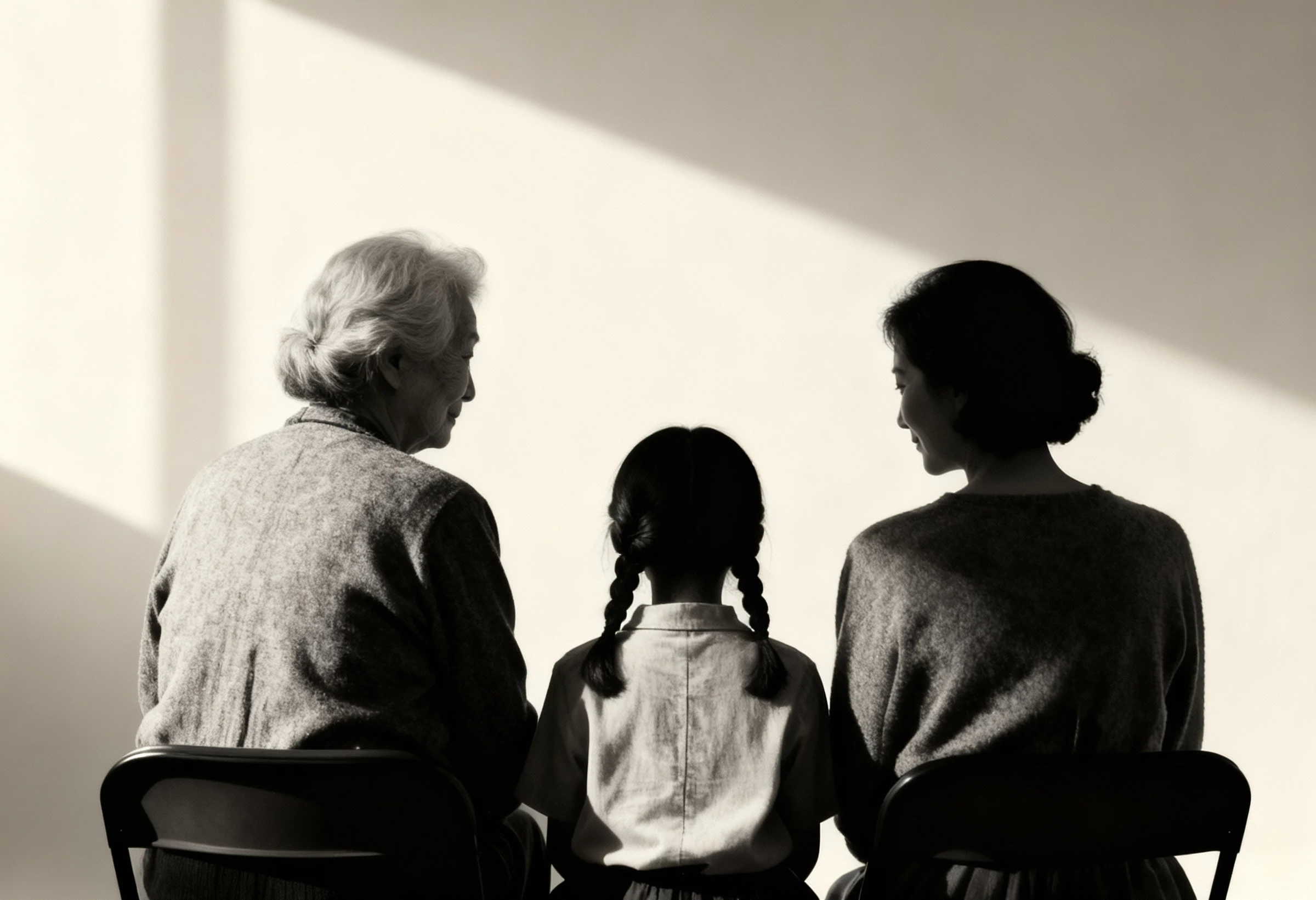
We have archives. What we lack is a place to remember together.
The challenge is not simply to preserve more files. It is to protect connection when names, voices and shared histories become harder to reach—even when memories fade.
02 · The strategic reframe
Not AI as judgement. AI as reflection.
No score. No diagnosis. No system telling people what their past means. REmemory was conceived as a gentle layer that helps a family revisit, interpret and retell what already belongs to them.
03 · The experience
A shared place to remember together.
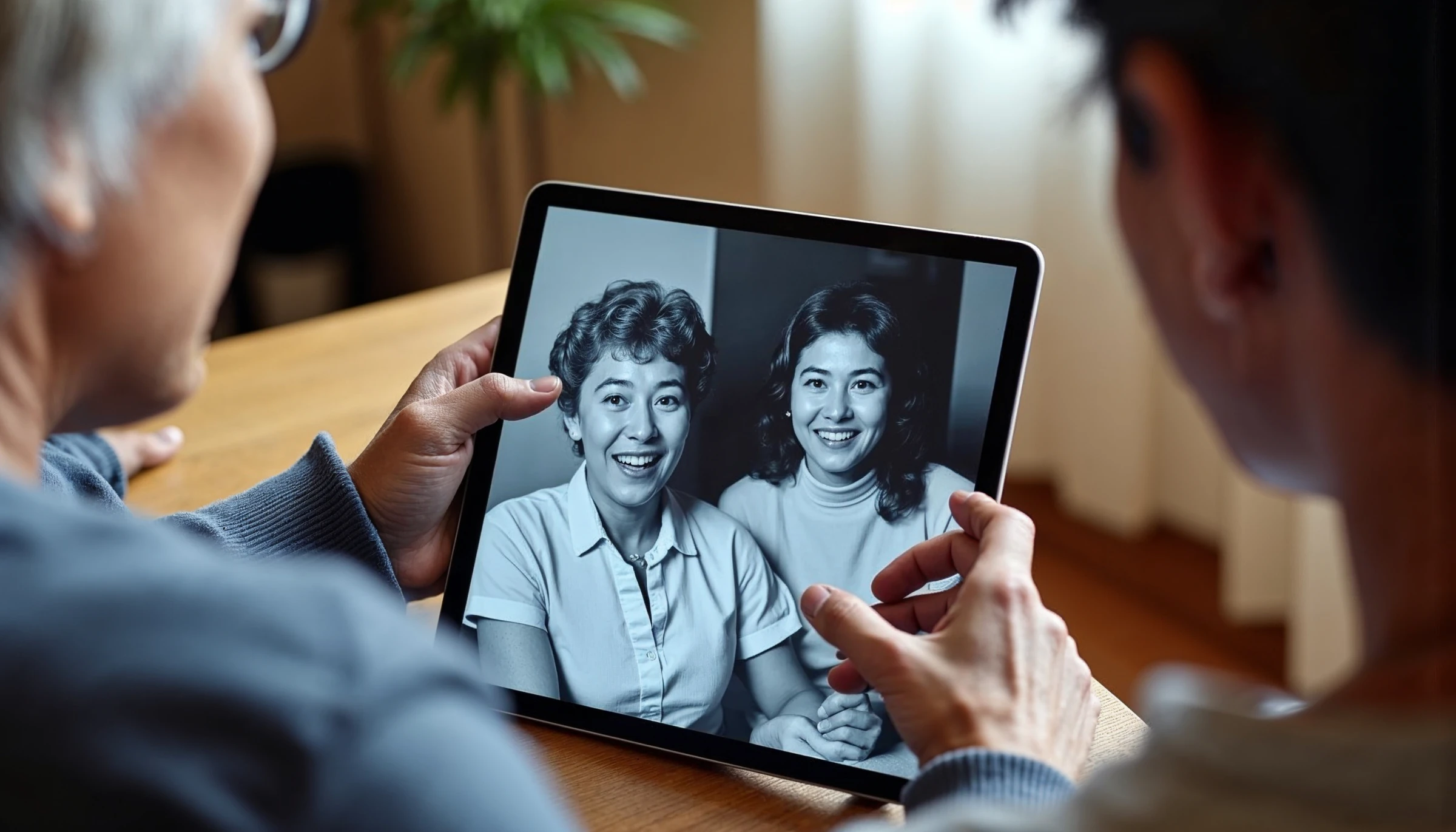
Families can revisit photographs and recordings, collect stories around familiar places and leave messages for future generations. The archive is collaborative by design: every voice can add context, while generated scenes remain visibly interpretive.
04 · Product principles
Technology that feels like care.
- 01
Interpreted memories
Generated reconstructions are framed as interpretations, never as objective records.
- 02
Collaborative storytelling
Everyone contributes. No single person owns the family story.
- 03
Memory spaces
Images, voices and places meet in one quiet, familiar environment.
- 04
Cognitive-sensitive design
Gentle guidance replaces alerts, scores and pressure.
- 05
Boundaries made visible
The concept makes authorship, access and generated material explicit without claiming a finished privacy architecture.
05 · Interface direction
The archive behaves less like storage and more like a room.
A restrained visual system lets dates, images and fragments sit beside one another without turning memory into a dashboard. An interactive UX prototype now tests this core experience across family, caregiver and memory flows.
Open the interactive REmemory prototype ↗
06 · What exists now
The experience is tangible. The intelligence remains a proposition.
REmemory currently exists as an interactive UX/UI prototype and narrative framework. The AI reconstruction, voice synthesis and live memory layer have not been built—and are presented as future product possibilities, not finished technology.
Start a conversation
hello@tomtjonaloi.xyz ↗